What Is Afro House? A Complete Guide to the Sound Taking Over the World
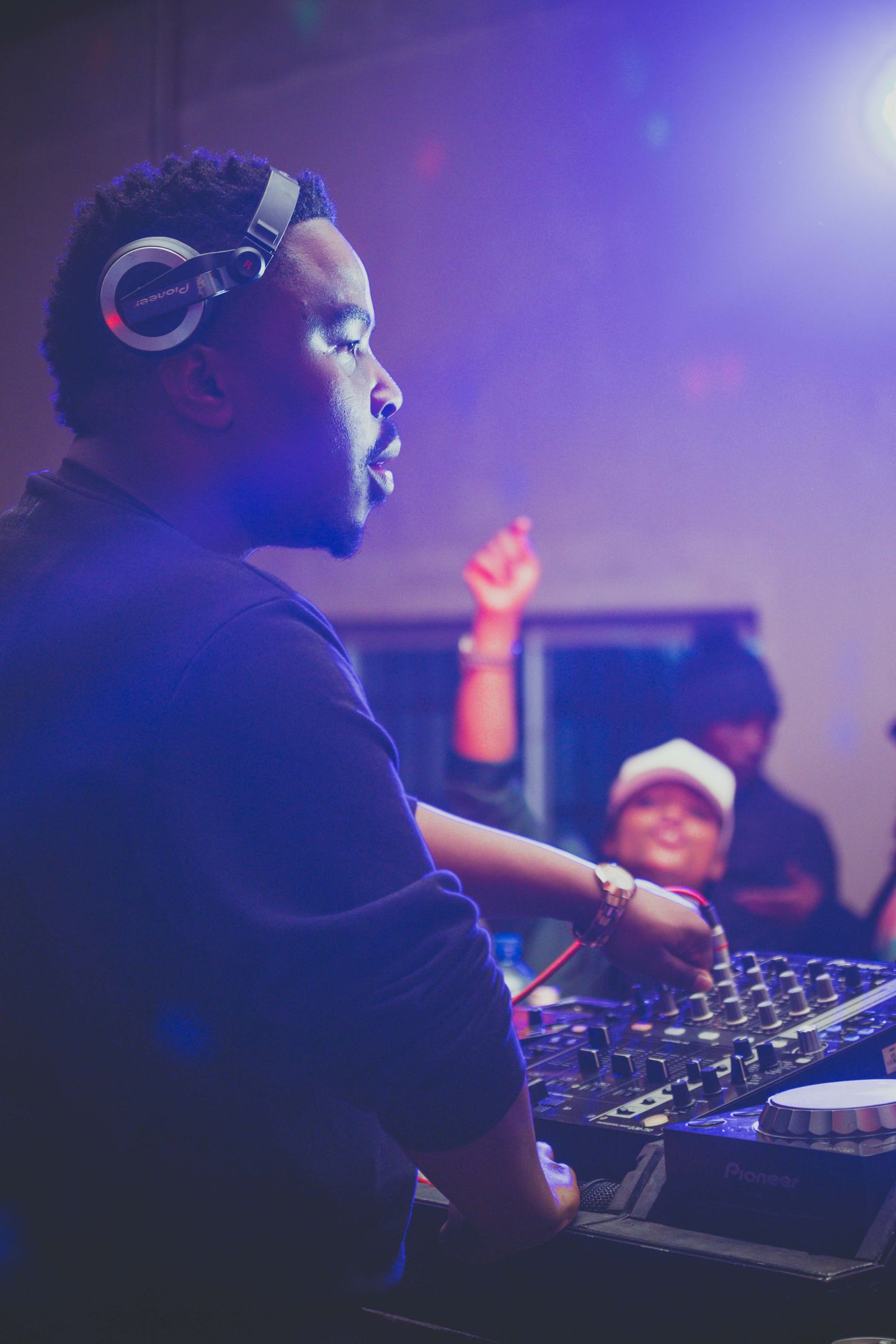
Photo: Lutha Dindi / Pexels
On this page
- What Is Afro House? (The Short Answer)
- The Sound — Key Characteristics
- Tempo & Rhythm
- Bassline & Low End
- Drums & Percussion
- Synths, Melody & Texture
- Arrangement & Structure
- A Brief History — Origins & Evolution
- Defining Artists & Labels
- Essential Tracks — Where to Start
- Afro House vs Neighboring Genres
- How DJs Use It
- FAQ
- What BPM is Afro House?
- Is Afro House the same as Afro Tech?
- Who invented Afro House?
- What is the difference between Afro House and Amapiano?
- Why is Afro House so popular right now?
Afro House is a subgenre of house music that fuses the four-on-the-floor pulse of Chicago house with African percussion, tribal rhythms, and deep, hypnotic basslines. It runs at 120 to 128 BPM. Rooted in 1990s post-apartheid South African township house, it coalesced into a distinct global genre by the early 2010s, built on two pillars: layered organic drums and a spacious, soulful low end. The result feels both danceable and meditative. It is the fastest-rising electronic genre of the decade, and it is everywhere right now.
What Is Afro House? (The Short Answer)
Afro House is house music shaped by African rhythm. It blends Chicago-style four-on-the-floor drums with live-feel percussion, tribal vocals, and deep basslines, played at 120 to 128 BPM. Originating in South Africa, it sits between deep house warmth and the raw drive of the dancefloor.
The Sound — Key Characteristics
What strikes me most about Afro House is how it balances power with patience. The tracks build slowly. They breathe. Below are the elements that define the sound.
Tempo & Rhythm
Afro House lives in the 120–128 BPM range. That is slightly slower than peak-time tech house, which gives the groove room to swing. The rhythm rarely sits on a rigid grid. Producers add shuffle, swing, and syncopation so the beat feels human. Polyrhythms are common. One layer locks the kick, another floats on top, and the tension between them is the whole point.
Bassline & Low End
The bass is deep, round, and patient. It often follows a rolling, repetitive pattern that anchors the track without demanding attention. You feel it more than you hear it. Unlike the aggressive, sawtooth bass of tech house, Afro House bass tends toward warm sub frequencies and smooth analog tones. It leaves space for the percussion to shine.
Drums & Percussion
This is the heart of the genre. Congas, shakers, djembe, bongos, and woodblocks stack into dense, evolving layers. The kick stays steady on the four. Everything else moves around it. Many producers sample or replay live percussion to keep the groove from sounding mechanical. Hand drums and claps add the organic feel that separates Afro House from its electronic cousins.
Synths, Melody & Texture
Melody is restrained. Pads stretch wide and slow. You hear marimba and kalimba-style plucks, soft keys, and the occasional vocal chant in Zulu, Xhosa, or other African languages. Atmosphere matters more than hooks here. The textures pull you in rather than push at you. Tribal vocal samples often carry the emotional weight of a track.
Arrangement & Structure
Afro House tracks are long. Seven, eight, even ten minutes is normal. They favor slow builds over sudden drops. A track might spend two minutes just adding one percussion layer at a time. The arrangement rewards patience and works perfectly for DJs who want long, flowing transitions. There is no rush. The groove is the destination.
A Brief History — Origins & Evolution
Afro House grew out of South Africa’s township house scene in the early 2000s. Producers there took the imported sound of Chicago and Detroit house and ran it through a local lens, adding indigenous percussion, gospel-tinged vocals, and the rhythmic DNA of kwaito and traditional African music.
Johannesburg, Soweto, and Durban became the genre’s labs. Through the 2010s, artists like Black Coffee carried the sound from local clubs to global stages. The genre matured, splitting into related strains like Afro Tech and 3-step, while keeping its percussive core intact.
Then 2025 happened. Afro House grew 778% on Splice, jumping from 760,000 sample downloads to 6.6 million in a single year. Tomorrowland responded by launching a dedicated Afro House stage in 2026. The underground had gone fully mainstream.
Defining Artists & Labels
These are the names that built the sound and the ones carrying it forward.
- Black Coffee — The most globally recognized Afro House artist. The South African DJ and producer won a Grammy in 2022 and put the genre on the world map through residencies in Ibiza and beyond.
- Shimza — Born in Soweto, he is one of the genre’s key ambassadors. In 2026 he performed a B2B set with AFROJACK at Coachella that introduced Afro House to a massive new audience.
- Themba — Known for his energetic, festival-ready sets and a darker, driving take on the sound.
- Enoo Napa — A Durban producer famous for raw, tribal, bass-heavy productions that lean toward Afro Tech.
- Da Capo — A prolific producer celebrated for deep, melodic, and richly layered tracks.
- Moojo — Known for emotional, melodic Afro House with strong vocal and instrumental hooks.
- Karyendasoul — A producer pushing the soulful, atmospheric end of the genre.
On the label side, the genre is anchored by Sondela Recordings, Offering Recordings (Black Coffee’s imprint), and Afro House Music Records. Traxsource remains the key digital store and discovery platform for new releases.
Essential Tracks — Where to Start
Having played through dozens of Afro House sets, these are the tracks I keep coming back to. Start here.
| Track | Artist | Year | Why It Matters |
|---|---|---|---|
| Drive | Black Coffee ft. David Guetta & Delilah Montagu | 2017 | Crossover anthem that proved the sound could go global |
| We Dance Again | Black Coffee ft. Nakhane Toure | 2015 | A defining emotional moment for the genre |
| Inkululeko | Shimza | 2020 | Showcases Shimza’s hypnotic, percussion-driven style |
| Wena | Themba | 2019 | Big-room Afro House energy built for festivals |
| Khusela | Enoo Napa | 2018 | Raw, tribal, and bass-heavy — Afro Tech in spirit |
| Touch | Da Capo | 2016 | Deep, melodic, and endlessly replayable |
| Indlovukazi | Da Capo ft. Tshepo King | 2020 | A masterclass in slow-build arrangement |
| Mama | Moojo & Yallunder | 2021 | Emotional vocal hook over a warm groove |
| Superman | Black Coffee ft. Bucie | 2015 | A soulful classic that still fills floors |
| Africa | Karyendasoul ft. Nia Pearl | 2021 | Atmospheric and soulful, the genre’s softer side |
Afro House vs Neighboring Genres
People mix these up constantly. Here is how Afro House compares to its closest relatives.
| Feature | Afro House | Deep House | Afro Tech | Amapiano |
|---|---|---|---|---|
| BPM | 120–128 | 110–125 | 122–128 | 110–116 |
| Origin | South Africa, early 2000s | Chicago, late 1980s | South Africa, 2010s | South Africa, mid-2010s |
| Key Instruments | Live percussion, tribal vocals, deep bass | Smooth chords, soft pads | Industrial drums, dark synths | Log drum bass, jazzy keys, pianos |
| Energy | Hypnotic, building | Warm, mellow | Dark, driving | Laid-back, groovy |
| Typical Venue | Festival stages, open-air | Lounges, late-night clubs | Peak-time clubs | Street parties, lounges |
The short version: Afro Tech is the darker, more industrial cousin. Amapiano is slower, jazzier, and built around its signature log drum bass. Deep House shares the warmth but skips the heavy percussion.
How DJs Use It
Afro House is a gift for DJs who think in journeys, not just peaks. Here is how I use it.
Set placement. It shines early-to-mid set, when you are warming a room and building tension. The slow arrangements let you tell a story before the floor demands full energy. It also works as a comedown after a peak, easing the crowd without killing the mood.
Energy role. Think of it as the slow climb, not the summit. The genre’s patient builds make it ideal for transitions. You can ride a single groove for ten minutes and the floor will stay locked in.
Harmonic mixing tips. Because melodies are sparse and basslines are deep, key matching matters. Use the Camelot wheel to blend pads and sub frequencies cleanly — clashing keys are obvious in this music. The long, percussion-heavy intros and outros make beatmatched blends easy, so you can layer two tracks for a full minute without a clash.
For a real-world example of Afro House at scale, read our breakdown of the AFROJACK and Shimza Coachella 2026 set.
FAQ
What BPM is Afro House?
Afro House runs at 120 to 128 BPM. That places it slightly below peak-time tech house and above most deep house. The tempo gives the percussion room to swing and supports the genre’s long, hypnotic builds.
Is Afro House the same as Afro Tech?
No. They are close relatives but distinct. Afro Tech is darker, more industrial, and leans on harder synths and a more aggressive groove. Afro House is warmer, more melodic, and more focused on organic, soulful percussion.
Who invented Afro House?
No single person invented it. The genre emerged from South Africa’s township house scene in the early 2000s, when local producers fused Chicago house with African percussion and rhythms. Black Coffee later became its most recognized global ambassador.
What is the difference between Afro House and Amapiano?
Both come from South Africa, but they sound different. Amapiano is slower (110–116 BPM), jazzier, and built around its signature log drum bass and piano melodies. Afro House is faster, more percussion-driven, and rooted in the four-on-the-floor house tradition.
Why is Afro House so popular right now?
The numbers tell the story. Afro House grew 778% on Splice in 2025, hitting 6.6 million sample downloads. Major festivals took notice, and Tomorrowland launched a dedicated Afro House stage in 2026. The sound crossed over from underground to mainstream in record time.